A Comprehensive Guide to Planning the Perfect Wildlife Safari in Uganda
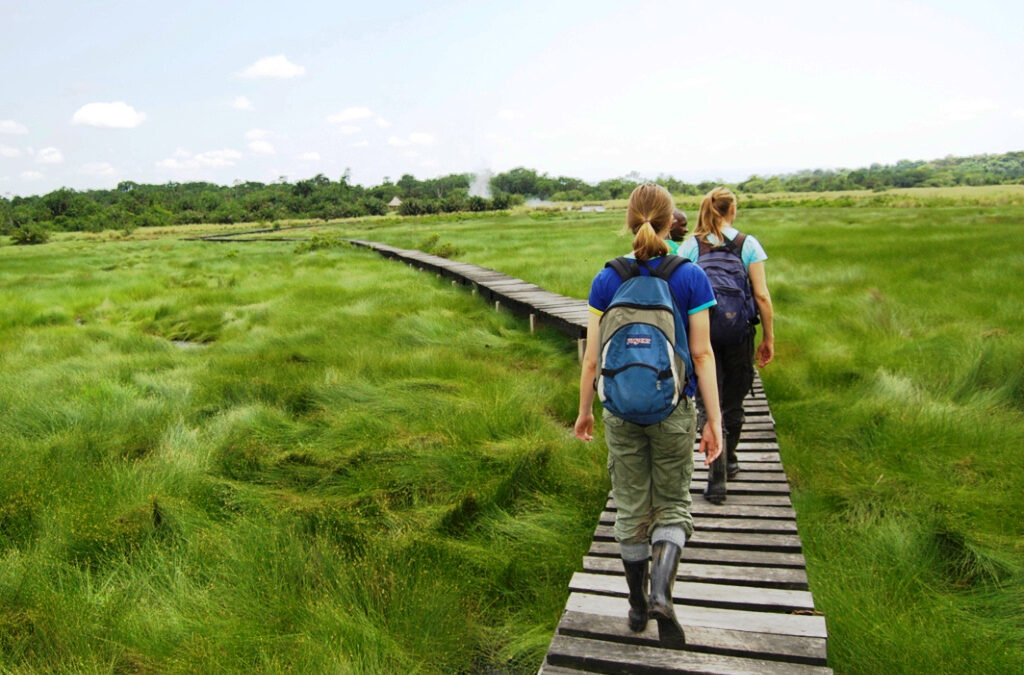
Uganda, often referred to as the “Pearl of Africa,” is a wildlife lover’s paradise. This East African country boasts a diverse landscape, including lakes, rivers, mountains, hills, and lowlands. Uganda is home to various wildlife species and offers a range of exciting activities for nature enthusiasts. To make the most of your first safari in Uganda, proper planning is essential. Below are some key tips and considerations to help you plan a memorable safari.
Choose Your Destination
Uganda is a year-round safari destination, offering a variety of experiences across its ten national parks. Each park provides a unique opportunity to observe diverse wildlife. Some of the top national parks include:
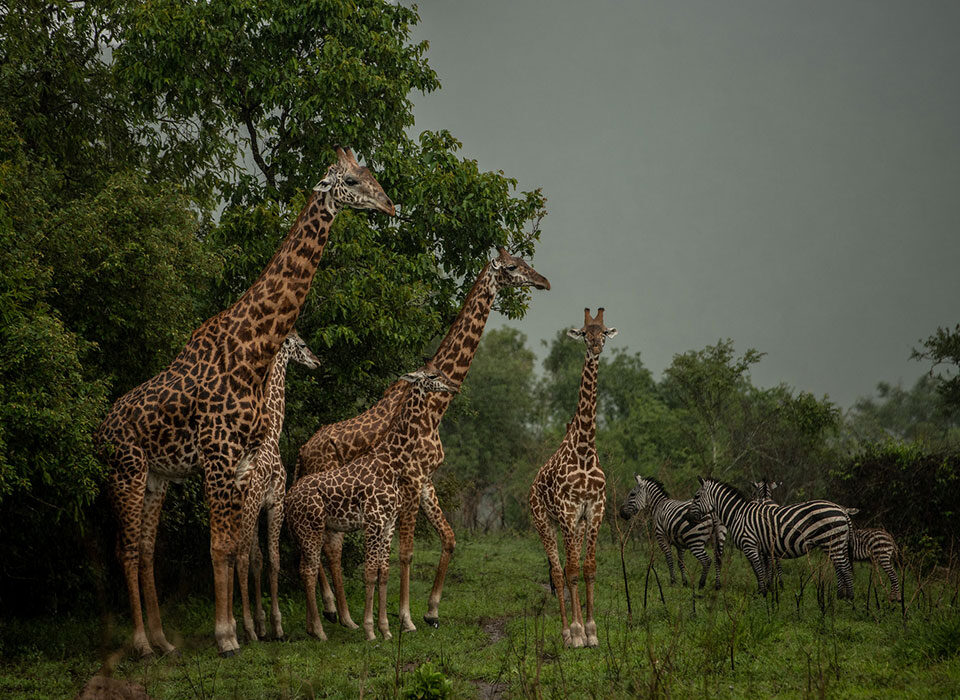
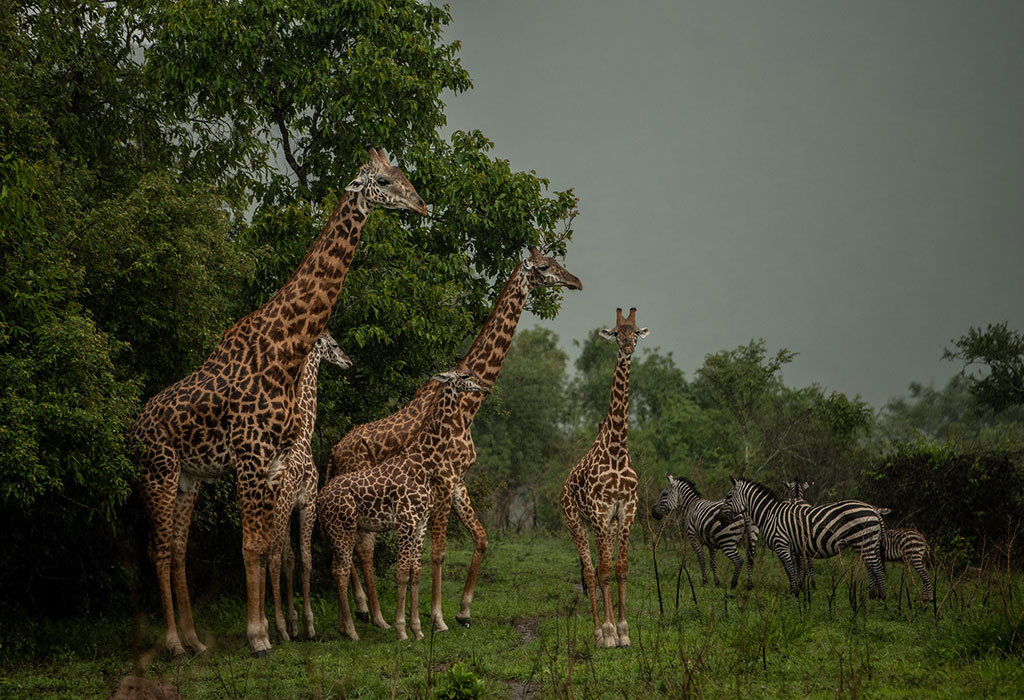
- Murchison Falls National Park: Famous for its breathtaking waterfall and diverse wildlife, including elephants, giraffes, and hippos.
- Bwindi Impenetrable National Park: Home to nearly half of the world’s mountain gorillas, making it the top destination for gorilla trekking.
- Queen Elizabeth National Park: Known for its tree-climbing lions and a wide range of bird species.
- Kidepo Valley National Park: One of Uganda’s most remote parks, offering stunning landscapes and sightings of lions, leopards, and buffaloes.
- Lake Mburo National Park: Perfect for those interested in birdwatching and spotting zebras, antelopes, and hippos.
When selecting your destination, consider your interests, whether it’s gorilla trekking, birdwatching, or game drives. The best time to visit most national parks is during the dry season when animals congregate around water sources, making them easier to spot.
Determine the Duration of Your Safari
The length of your safari will depend on the activities you want to engage in and your budget. Typical safaris range from 3 to 5 days, but to fully immerse yourself in Uganda’s diverse offerings, an 8-day safari is ideal. This allows ample time to explore multiple parks, experience gorilla trekking, and go on a big-five game drive.
Remember, the longer your safari, the higher the cost. If you’re on a budget, consider prioritizing key activities and exploring fewer destinations. For first-time visitors, a combination of gorilla trekking and a big-five safari is highly recommended.
Decide When to Go
Uganda experiences two main seasons: the dry season and the wet season. Each season offers different advantages depending on your preferred activities.
- Dry Season (December to February and June to August): This is the best time for game drives, gorilla trekking, and nature walks. The dry conditions make it easier to spot wildlife, and trails are more accessible. However, this is also the peak tourist season, so expect higher prices for accommodation and activities.
- Wet Season (March to May and September to November): If you’re on a budget, the wet season is an excellent time to visit. While some activities may be more challenging due to muddy conditions, it’s the best season for birdwatching as migratory birds arrive. Accommodation and safari packages are also more affordable during this period.
When planning your trip, consider the activities you want to participate in and the costs associated with each season. If you’re a birder, the wet season is ideal, while those seeking the big five should aim for the dry season.
Plan Your Activities and Accommodation
A well-rounded safari in Uganda can include a variety of activities, such as:
- Gorilla Trekking: A must-do activity that allows you to get up close with mountain gorillas in their natural habitat.
- Game Drives: Explore the vast savannahs and spot the big five—lions, leopards, elephants, rhinos, and buffaloes.
- Bird Watching: Uganda is a birdwatcher’s paradise, with over 1,000 species to spot.
- Boat Rides: Enjoy a relaxing boat ride on the Nile or one of Uganda’s many lakes, where you can see hippos, crocodiles, and a variety of bird species.
- Guided Nature Walks: Explore the country’s diverse landscapes on foot, accompanied by a knowledgeable guide.
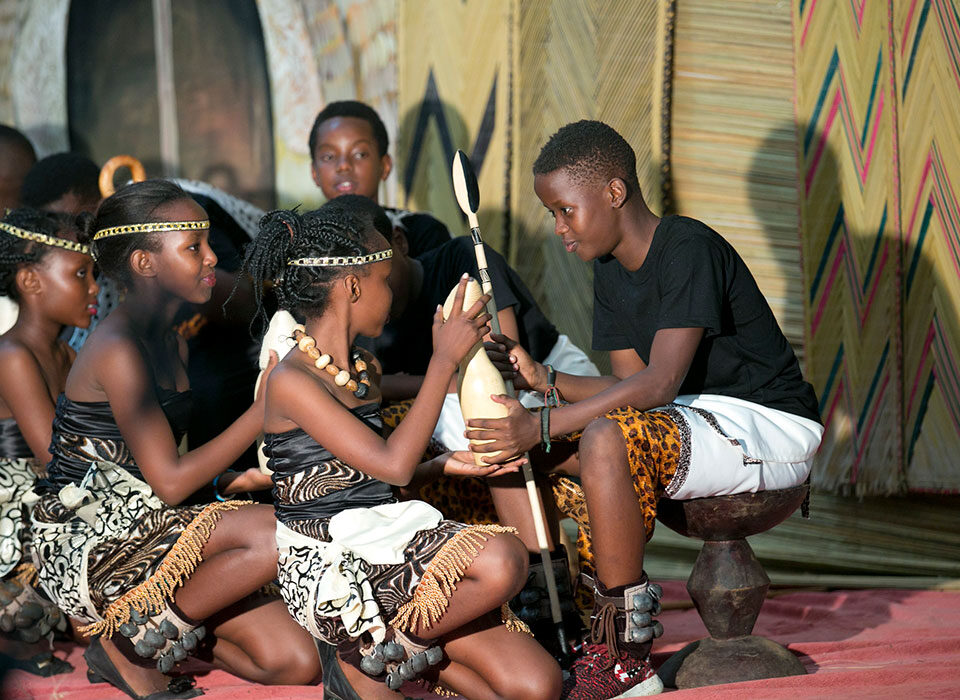
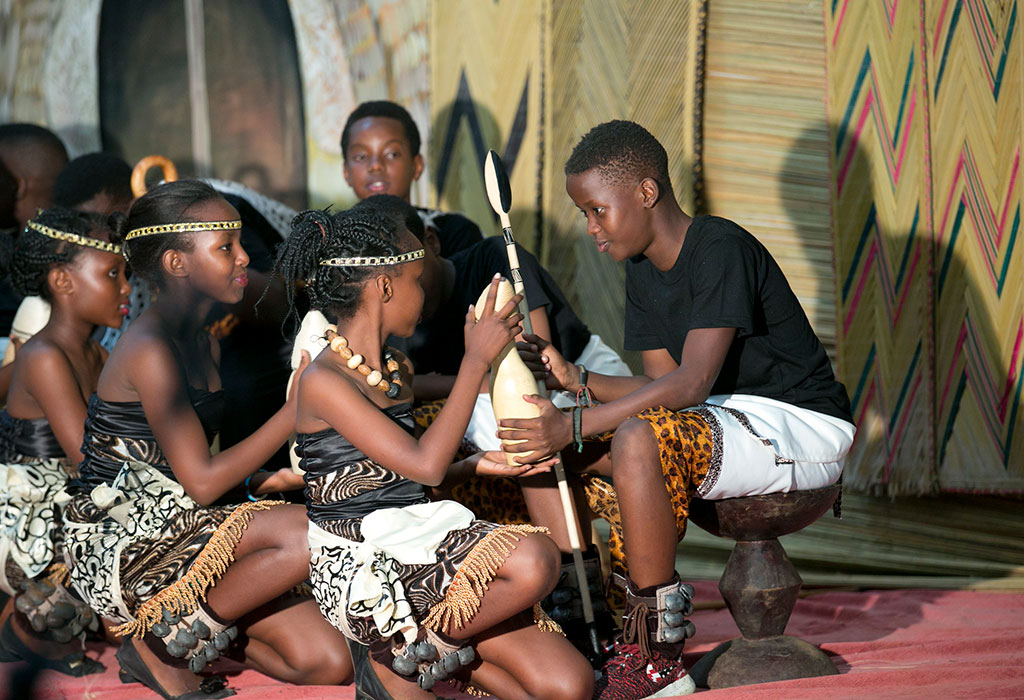
- Cultural Trips: Immerse yourself in Uganda’s rich cultural heritage by visiting local communities and learning about traditional practices.
Accommodation in Uganda ranges from budget-friendly options to luxury lodges. Your choice of accommodation will depend on your budget and desired level of comfort. The three main categories are:
- Basic Facilities: Ideal for budget travelers, these include simple tents or rooms with essential amenities.
- Mid-Range Facilities: These offer a balance of comfort and affordability, with well-appointed rooms and good services.
- Luxury Lodges: For those seeking a more indulgent experience, luxury lodges provide high-end services, stunning views, and gourmet dining.
Most lodges are located either within the national parks or nearby, ensuring easy access to safari activities. Many accommodations also offer all-inclusive packages that cover meals and certain activities. If you’re using a local tour operator, they can help you choose the best lodging option based on your budget and preferences.
Pack Smart for Your Safari
Packing for a safari in Uganda can be challenging, especially for first-time visitors. It’s important to pack light, as space on safari vehicles and small planes is limited. Consider the following essentials when packing:
- Clothing: Pack neutral-colored clothing, as bright colors can attract wildlife. Include long-sleeved shirts and pants to protect against insects and sun exposure. Sturdy hiking boots are essential for trekking, and a waterproof jacket is a must if you’re visiting during the wet season.
- Accessories: Bring a camera with extra batteries, binoculars for wildlife viewing, a waterproof backpack, and sunscreen.
- Toiletries and Health Essentials: Insect repellent, personal toiletries, and any necessary medications should be included. Don’t forget a sunhat and sunglasses for protection against the sun.
Most lodges offer laundry services at an additional cost, so you don’t need to overpack. Focus on bringing only the essentials to make your safari more enjoyable.
Consider the Cost of Your Safari
The cost of a safari in Uganda can vary widely depending on factors such as the season, length of stay, type of accommodation, and number of activities. On average, a safari can cost anywhere from $200 to $1,000 per person per day. This price typically includes park entrance fees, transportation, accommodation, and a local guide.
However, keep in mind that additional expenses such as airfare, travel insurance, tips, and personal purchases (like souvenirs) are not included in most safari packages. Group safaris can help reduce costs, as expenses are shared among participants.
To get the best value for your money, research different tour companies and compare their prices and services. Some operators may include certain permits, such as gorilla trekking permits, in their packages, while others may charge extra.
Research Safari Destinations and Rules
Before embarking on your safari, take the time to research the destinations you’ll be visiting. Each national park has its own set of rules and regulations, which are important to follow to ensure both your safety and the preservation of the environment.
For example, certain parks may have restrictions on where you can go or what activities are allowed during specific seasons. Being aware of these regulations in advance will help you avoid any fines or issues during your trip. Additionally, learning a few basic phrases in the local language can enhance your experience, although most Ugandans speak English.
Choose a Licensed Local Safari Operator
Whether you’re a first-time visitor or a seasoned traveler, working with a licensed and reputable local safari operator is highly recommended. A good tour company will handle all the logistics, including transportation, accommodation, and activities, ensuring a smooth and enjoyable experience.
Local operators have extensive knowledge of the best wildlife spots, the most efficient routes, and how to navigate any challenges that may arise. They can also provide valuable advice on how to make the most of your safari, such as the best times to visit certain areas or how to get the best deals.
Tour operators typically provide experienced guides who will accompany you throughout your safari, offering insights into the wildlife and culture of Uganda. While tour packages generally cover most expenses, remember to budget for tips, extra activities, and personal expenses.
Don’t Forget Travel and Medical Insurance
Travel insurance is essential when planning a safari in Uganda. Safaris involve a significant financial investment, and unforeseen circumstances such as flight cancellations or medical emergencies can arise. Having travel insurance will provide you with peace of mind and protect you from potential losses.
In addition to travel insurance, consider getting medical insurance that covers emergency evacuation. While Uganda has good medical facilities in major cities, remote areas may have limited access to healthcare. It’s important to be prepared for any medical emergencies that may occur during your safari.
Final Thoughts
Planning a wildlife safari in Uganda may seem daunting, but with the right preparation, it can be an unforgettable experience. From choosing the perfect destination and activities to packing wisely and budgeting effectively, following these tips will help you make the most of your adventure in the “Pearl of Africa.” Whether you’re trekking with gorillas, spotting lions on a game drive, or simply soaking in the stunning landscapes, Uganda offers a safari experience like no other.