Uganda Versus Rwanda-Which one is the best choice for Gorilla Trekking?
When it comes to gorilla trekking, both Uganda and Rwanda are excellent choices. However, the best option for you depends on your specific needs and preferences. In this article, we will explore the differences between gorilla trekking in Uganda and Rwanda, helping you decide where to go for this amazing experience.
Number of Permits
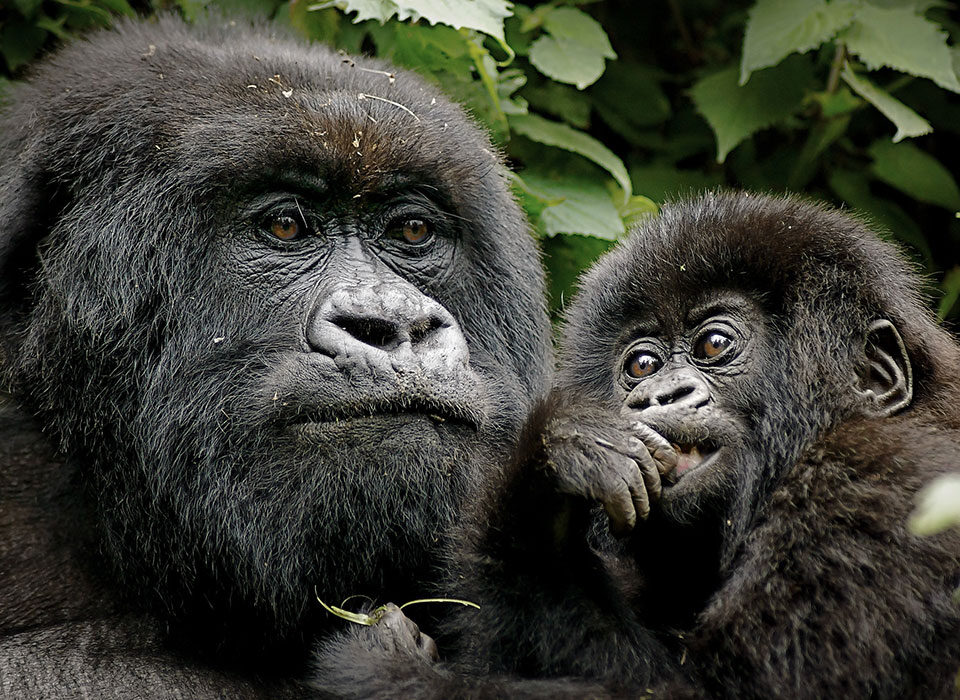
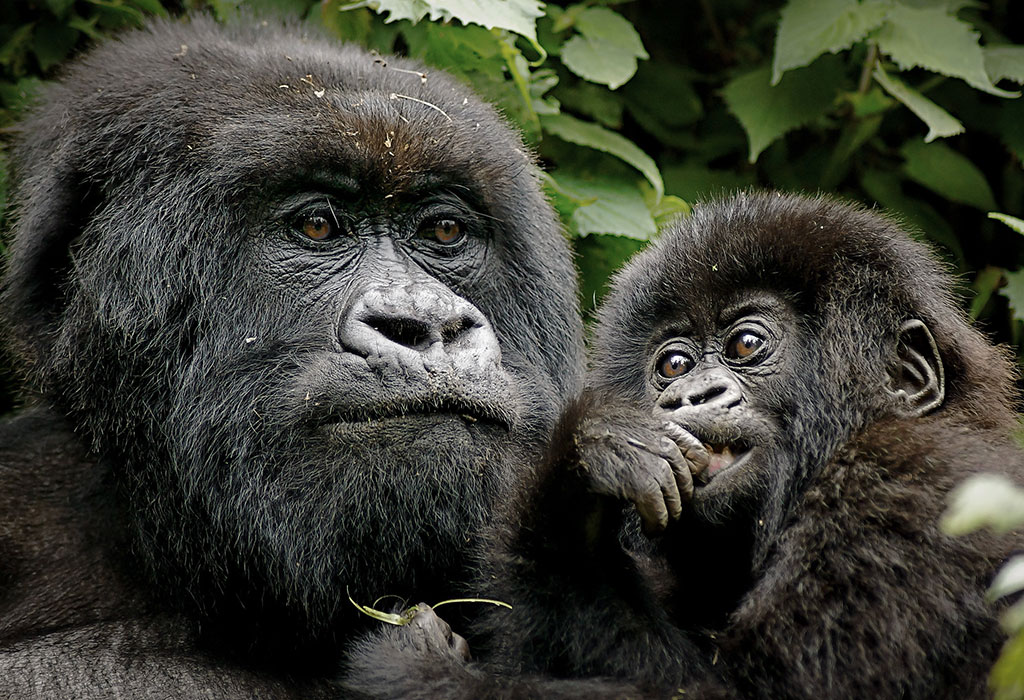
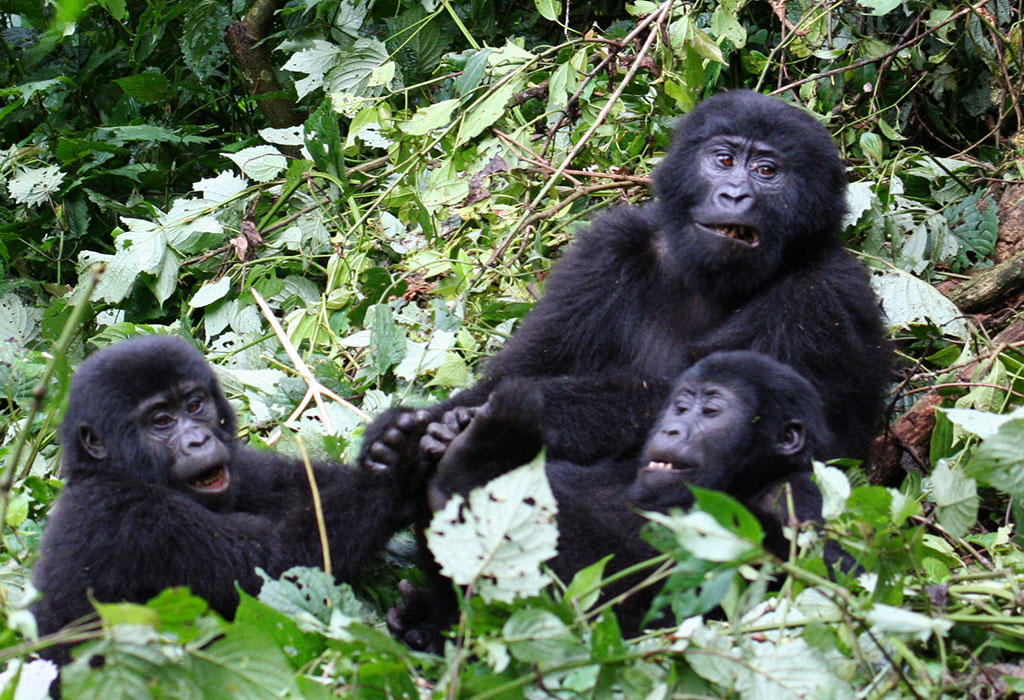
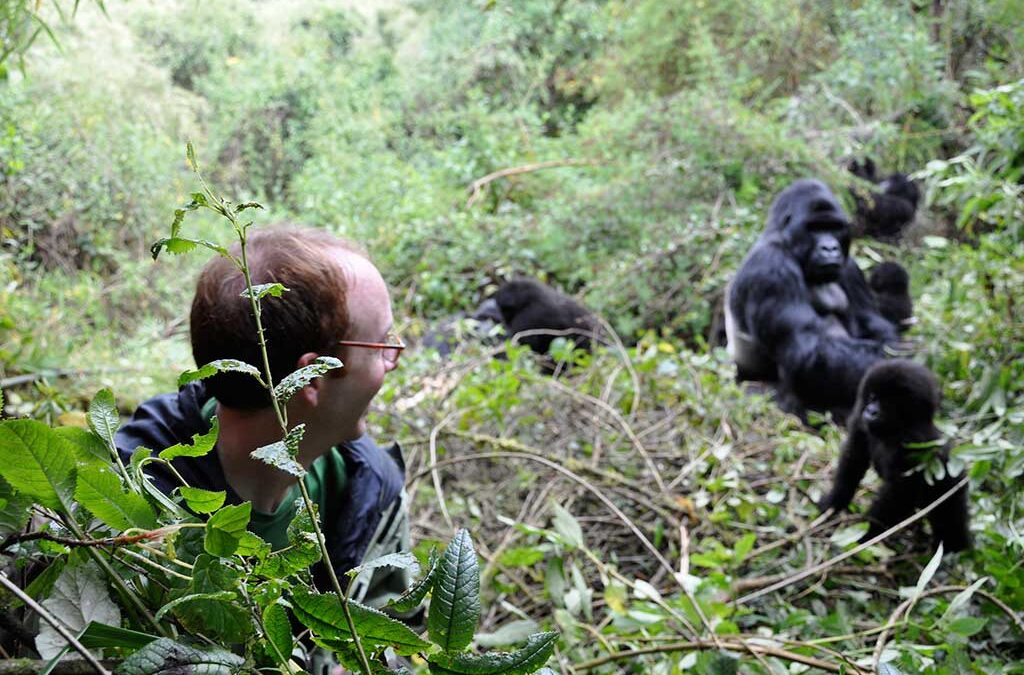
Gorilla trekking is one of Africa’s top wildlife experiences, and it is gaining popularity every year. To protect these incredible animals, strict rules are in place. The number of permits available each day is limited, ensuring the gorillas are not disturbed. A maximum of eight visitors can spend up to one hour with a gorilla group each day.
In Rwanda, you can find 12 groups of gorillas to track, all located in Volcanoes National Park. On the other hand, Uganda boasts over 25 gorilla groups in Bwindi Impenetrable National Park, plus one group in Mgahinga Gorilla National Park. While Mgahinga is beautiful and part of the Virunga Mountain range, it only has one gorilla group and fewer accommodation options, making it less popular. For this discussion, we will compare the two most accessible gorilla trekking spots: Bwindi in Uganda and Volcanoes National Park in Rwanda.
Habitat and Landscape
The habitats and landscapes where you will trek for gorillas are quite different in these two countries. Rwanda’s Volcanoes National Park is situated in a range of mostly dormant volcanoes known as the Virungas. Here, the gorillas mainly live in the bamboo forests, which provide a stunning backdrop for your trek. The open vegetation in this area makes it easier to see the gorillas.
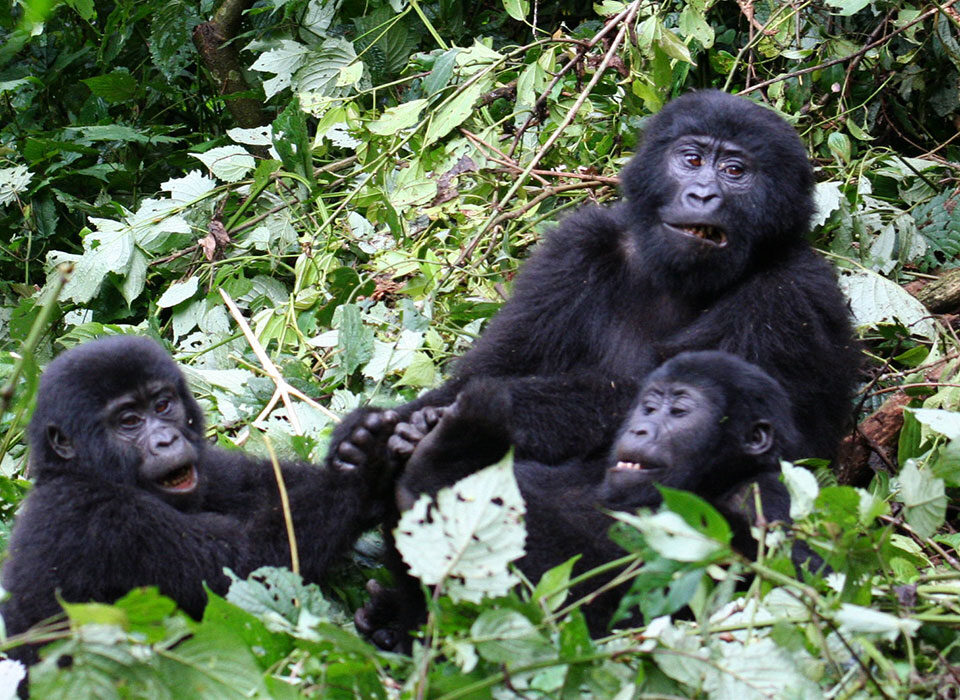
Conversely, Uganda’s Bwindi Impenetrable National Park is covered by thick tropical rainforest. This lush environment is beautiful but can make it harder to spot the gorillas due to the dense vegetation. While both locations are stunning, the experience can vary significantly depending on where you choose to trek.
Cost
Cost is another essential factor to consider when choosing between Uganda and Rwanda for gorilla trekking. In Uganda, the price for a gorilla trekking permit is $800 for foreign nonresidents. In contrast, the cost in Rwanda is $1,500. While this is a significant difference, it may not be as impactful when considered as part of a longer holiday package.
It’s important to note that these permit fees do not include travel arrangements like transportation, guides, or accommodation. The fees cover the gorilla trekking activity, the park ranger who will guide you, and the trackers who help locate the gorillas. Tipping the guides, trackers, and optional porters is an additional cost. For foreign residents, permits are $500 in Rwanda and $700 in Uganda. East African citizens pay $200 in Rwanda and $80 in Uganda, while other African passport holders pay $500 in both countries.
Trek Conditions
Trekking conditions can vary between Uganda and Rwanda. Generally, trekking in Rwanda is considered easier. However, conditions can change daily based on the gorillas’ location. Each gorilla group has its territory, and some may be easier to reach than others.
Heavy rain can affect the paths, especially in Bwindi, which receives significant rainfall throughout the year. The paths in Rwanda are usually well-defined, making it easier to navigate. In Uganda, the paths can be steep and overgrown, which can make trekking more challenging. That said, the higher altitude in Rwanda can also be a challenge for some trekkers.
Accommodation Options
Both Uganda and Rwanda offer a range of accommodation options for gorilla trekking. Rwanda has a variety of luxury lodges, while Uganda features more mid-range options. In Uganda, several lodges are close to or within the park, providing a true forest experience. In Rwanda, many lodges offer stunning mountain or lake views, but they are often located further from the park entrance.
Getting There
Accessibility is another crucial factor to consider. Volcanoes National Park in Rwanda is much easier to reach than Bwindi in Uganda. The drive from Rwanda’s capital, Kigali, to Volcanoes National Park takes about three hours on a good road. In contrast, the drive from Entebbe, Uganda’s main airport, to Bwindi takes between eight to ten hours.
While Rwanda has one starting point for gorilla treks, Bwindi has four different trailheads, some of which may require a 4×4 vehicle to access. However, there are scheduled flights to Bwindi that can cut down on travel time. If you’re looking for a quick gorilla trek or an addition to a safari in Kenya or Tanzania, Rwanda is the more convenient option.
Overall Safari Experience
Many visitors choose to include gorilla trekking as part of a longer safari. In this respect, Uganda offers more options than Rwanda. Uganda’s Murchison Falls and Queen Elizabeth National Parks are excellent for seeing a wide range of wildlife, including elephants, lions, buffalo, and giraffes. While all the Big Five animals (lion, leopard, buffalo, elephant, and rhino) can be found in Uganda, rhinos are only present at Ziwa Rhino and Wildlife Ranch.
Uganda is also known for chimpanzee trekking, and Lake Bunyonyi is a beautiful place to relax after a busy safari. Rwanda, while less established as a safari destination, has some hidden gems worth exploring after your gorilla trek. Akagera National Park is a scenic Big Five savannah park, and Nyungwe National Park is a highland rainforest with 13 primate species, including chimpanzees.
Best Time to Go
The best time for gorilla trekking in both Rwanda and Uganda is from June to August and, to a lesser extent, from December to February. These months are generally drier, making the trails easier to navigate and reducing the chances of rain disrupting your experience.
Volcanoes National Park in Rwanda receives less rainfall overall, so trekking conditions are usually good from May to February. Bwindi, being a rainforest, can be wet at any time, but you can still see gorillas. As long as you avoid the peak rainy seasons in April to May and October to November, your trek should be successful. Waterproof jackets are highly recommended regardless of when you go.
Conclusion
Ultimately, whether you choose Uganda or Rwanda for gorilla trekking depends on your personal preferences and travel goals. Both countries offer unique experiences and breathtaking landscapes, so you can’t go wrong with either choice. By considering the factors discussed, you can make an informed decision that best suits your needs for an unforgettable gorilla trekking adventure.