
The Majestic Rhinoceros: A Guardian of the Grasslands
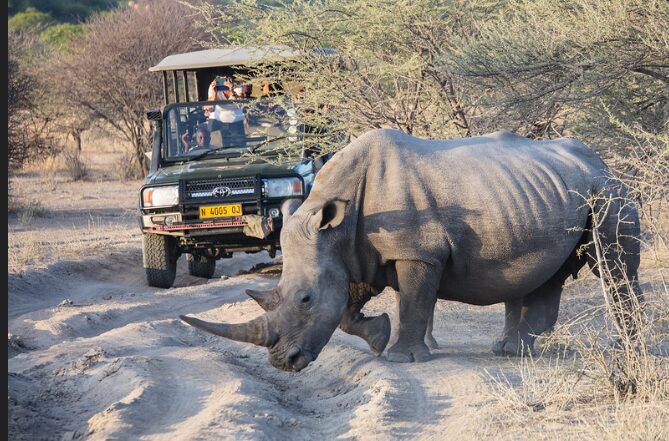
Rhinos, with their massive bodies, thick skin, and iconic horns, are among the most fascinating creatures on our planet. These majestic animals have roamed the Earth for millions of years and play a crucial role in their ecosystems. However, they now face incredible threats due to poaching and habitat loss. In this blog, we will explore the world of rhinos, their significance in nature, the challenges they face, and how we can help conserve these incredible animals.
A Brief Overview of Rhinos
There are five species of rhinoceros: the White Rhino, the Black Rhino, the Indian Rhino, the Javan Rhino, and the Sumatran Rhino. Each of these species has unique characteristics and adaptations that allow them to thrive in their respective habitats.
- White Rhino: The largest of all rhino species, they can weigh up to 2,300 kilograms. They have a wide mouth adapted for grazing on grasses.
- Black Rhino: Smaller and more agile than the white rhino, black rhinos have a pointed upper lip that allows them to browse on bushes and trees.
- Indian Rhino: Distinguished by its single horn and the folds in its skin that give it an armored appearance, the Indian rhino is primarily found in grasslands and forested areas of the Indian subcontinent.
- Javan Rhino: One of the rarest large mammals on Earth, with only about 80 individuals remaining in the wild, the Javan rhino also has a single horn and prefers dense equatorial forests.
- Sumatran Rhino: The smallest rhino species, Sumatran rhinos are covered in long hair and have two horns. They are also critically endangered, with only a few hundred left in the wild.
The Ecological Importance of Rhinos
Rhinos play a vital role in maintaining the health of the ecosystems in which they live. As herbivores, they help shape the landscape by grazing on grasses and browsing on bushes and trees. This activity promotes biodiversity by allowing a variety of plant species to thrive and supporting other wildlife.
Moreover, rhinos create wallows—mud holes that they use to cool off and protect their skin from the sun. These wallows become essential watering holes for other animals, thereby contributing to the overall health of their habitat.
The Threats Facing Rhinos
Despite their importance, rhinos are facing severe threats that have led to dramatic declines in their populations. The two main threats are poaching and habitat loss.
Poaching
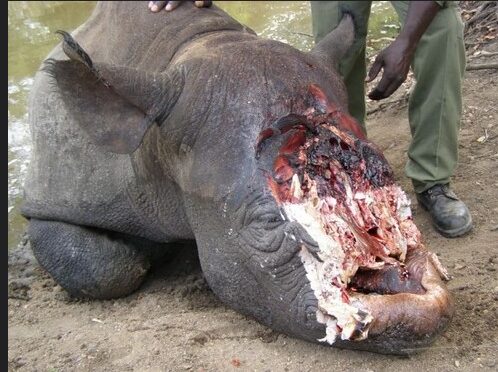
The demand for rhino horns, falsely believed to possess medicinal properties and status symbols, particularly in certain Asian markets, has fueled a horrific poaching crisis. Rhino horn is made of keratin, the same material as human nails and hair, yet this misconception has driven criminals to slaughter these incredible animals at alarming rates.
Habitat Loss
As human populations expand, rhino habitats are increasingly converted into agricultural lands, urban areas, or industrial developments. This encroachment not only reduces the space available for rhinos but also fragments their populations, making it difficult for them to find mates and leading to decreased genetic diversity.
Conservation Efforts
Fortunately, numerous conservation initiatives around the world are dedicated to protecting rhinos and their habitats. Here are some notable efforts:
- Anti-Poaching Patrols: Wildlife organizations and governments are deploying armed rangers to protect rhinos in national parks and reserves. These efforts have resulted in significant drops in poaching rates in some areas.
- Legal Protection: Several international agreements, such as the Convention on International Trade in Endangered Species (CITES), aim to regulate and ban the illegal trade of rhino horns.
- Habitat Restoration: Organizations are working to restore and protect critical rhino habitats, ensuring that these animals have safe spaces to live and thrive.
- Community Engagement: Educating local communities about the importance of rhinos and involving them in conservation can lead to more sustainable practices and increased support for wildlife protection.
- Captive Breeding Programs: Some species, like the Javan and Sumatran rhinos, have very low population numbers, making captive breeding programs essential for their survival.
How You Can Help
There are several ways you can contribute to rhino conservation:
- Support Conservation Organizations: Donate to or volunteer for reputable wildlife conservation groups working to protect rhinos and their habitats.
- Spread Awareness: Use your voice on social media and in your community to raise awareness about the plight of rhinos and the importance of conservation.
- Participate in Eco-Tourism: Choose ethical travel options that support wildlife conservation efforts and promote the protection of rhinos.
- Advocate for Stronger Laws: Support legislative measures aimed at protecting endangered species and combatting wildlife trafficking.
Conclusion
The rhino, an ancient and awe-inspiring creature, deserves a place in our world. As guardians of the grasslands, their existence enriches our planet, and their disappearance would have a cascading effect on ecosystems. By raising awareness, supporting conservation initiatives, and standing up against poaching, we can play a crucial role in ensuring that future generations will have the opportunity to marvel at these magnificent animals. Together, we can help turn the tide for rhinos and secure a brighter future for them and our planet.