
The Majestic Giants of Uganda: Elephants in the National Parks
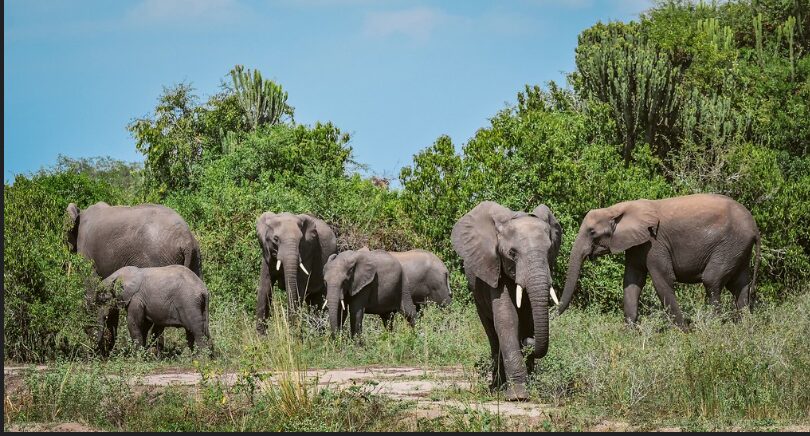
Uganda, often referred to as the “Pearl of Africa,” is a stunning tapestry of landscapes, cultures, and wildlife. Among its most iconic inhabitants are elephants, which roam majestically through the country’s diverse national parks. These gentle giants play a vital role in the ecosystem and have become a symbol of Uganda’s rich natural heritage. In this blog, we explore the significance of elephants in Uganda’s national parks, the challenges they face, and how conservation efforts are paving the way for a sustainable future.
A Glimpse into Uganda’s Elephant Population
Uganda is home to approximately 6,000 African elephants, a species known for its intelligence, complex social structures, and deep emotional bonds. These elephants are primarily found in some of the country’s key national parks, including Murchison Falls, Queen Elizabeth, and Amboseli. Each park offers a unique habitat that supports varying elephant populations and provides visitors with unparalleled opportunities to observe these incredible creatures in their natural environment.
Murchison Falls National Park
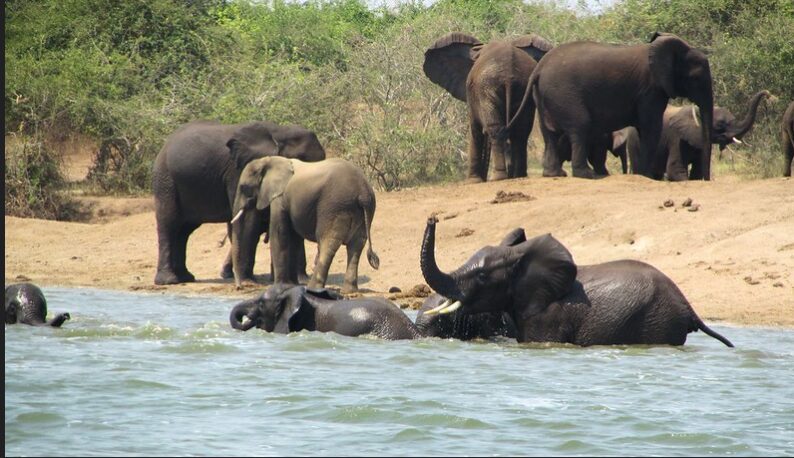
Murchison Falls National Park, the largest national park in Uganda, is renowned for its breathtaking landscapes and diverse wildlife. The park is home to a substantial population of elephants, which can often be seen near the banks of the Nile River. Visitors taking a boat cruise along the river have the chance to see elephants drinking, bathing, and playing in the water. The park’s lush vegetation and varied terrain serve as an ideal habitat for these gentle giants, making it a prime location for wildlife photography and unforgettable encounters.
Queen Elizabeth National Park
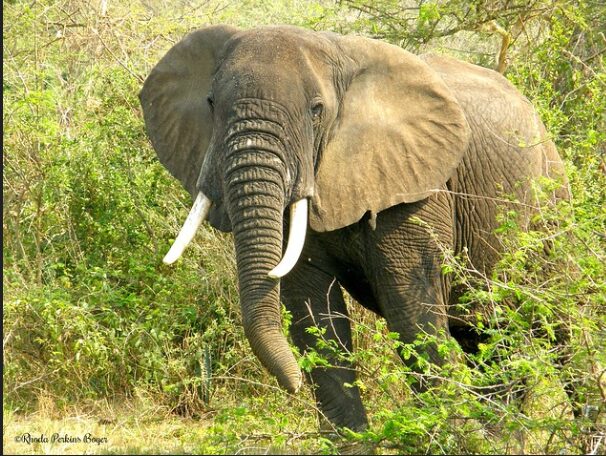
Queen Elizabeth National Park, another of Uganda’s jewel parks, boasts a rich array of wildlife, including a healthy population of elephants. The park’s varied ecosystems—ranging from savannahs to wetlands—support not only elephants but also numerous other species, making it a biodiversity hotspot. Visitors can embark on guided game drives or boat safaris on the Kazinga Channel, where interactions with elephants are common. The park’s serene landscapes and dynamic wildlife make it a favorite destination for both local and international tourists.
Amboseli National Park
Amboseli National Park, located on the border with Kenya, is famous for its iconic views of Mount Kilimanjaro and large elephant herds. The park provides unique opportunities for researchers and tourists to study elephants’ behavior and social structures. Here, elephants often congregate around water sources, offering incredible viewing experiences for those interested in witnessing close interactions between these magnificent animals.
The Role of Elephants in the Ecosystem
Elephants are often described as “ecosystem engineers” due to their vast impact on the environments they inhabit. Their feeding habits help to maintain the savannahs by uprooting trees and preventing overgrowth, allowing grasslands to thrive. Elephants also create pathways through dense vegetation, benefitting other wildlife species.
Furthermore, their dung acts as a fertilizer, enriching the soil and promoting plant diversity. These behaviors underline the importance of elephants in maintaining the ecological balance within Uganda’s national parks and beyond.
Challenges Facing Uganda’s Elephants
Despite their significance, Uganda’s elephant populations face numerous challenges. Poaching for ivory remains a significant threat, driven by illegal wildlife trade. Habitat loss due to agriculture and human encroachment poses further risks to their survival. Climate change, leading to alterations in rainfall patterns and the availability of water sources, also impacts elephant populations.
Conservation Efforts
Fortunately, conservation initiatives are rising to meet these challenges. Organizations like the Uganda Wildlife Authority (UWA) work to protect and preserve elephant habitats while implementing strict anti-poaching measures. Community-based conservation programs engage local populations in wildlife protection, helping to mitigate human-wildlife conflict and promote coexistence.
Ecotourism plays a pivotal role in conservation efforts, attracting visitors eager to witness Uganda’s wildlife. The revenue generated helps fund park management and conservation projects, ultimately benefiting both elephants and local communities.
Conclusion
Elephants are not just one of Uganda’s most beloved wildlife species; they are a vital part of the ecosystem and cultural identity of the region. By protecting these majestic creatures and their habitats, we ensure the preservation of Uganda’s natural heritage for generations to come. Whether you are a seasoned traveler or planning your first trip, a visit to Uganda’s national parks promises unforgettable encounters with elephants and a chance to get involved in the ongoing effort to conserve these magnificent giants of the African wilderness.
Let us cherish and protect these incredible beings, for they are truly the heart of Uganda’s wild beauty.