
Rwanda: A Land of a Thousand Hills (and a Million Memories)
Rwanda. Just the name evokes a mix of emotions, conjuring images of rolling green hills, the haunting shadows of its past, and the indomitable spirit of its people. For years, I’d read about this East African nation, its remarkable journey of healing and reconciliation, and its burgeoning tourism industry. This year, I finally took the plunge, embarking on a two-week adventure that exceeded all expectations.
Let me preface this by saying Rwanda is unlike any other place I’ve visited. The cleanliness is astounding (seriously, plastic bags are banned and it shows!), the infrastructure is impressive, and the people are incredibly welcoming and proud of their country. It felt incredibly safe, even wandering around the capital city, Kigali, at night.
Here’s a glimpse into my Rwandan experience:
Kigali: A City Reborn

My journey began in Kigali, the vibrant heart of Rwanda. Stepping out of the airport, I was immediately struck by the orderliness and the lush greenery. Kigali is a city on the move, with modern architecture blending seamlessly with traditional Rwandan design.
- Genocide Memorial: This is a must-visit, albeit a deeply emotional one. It provides a crucial understanding of the 1994 genocide and serves as a poignant reminder of the importance of forgiveness and reconciliation. Allow ample time and be prepared for a somber experience.
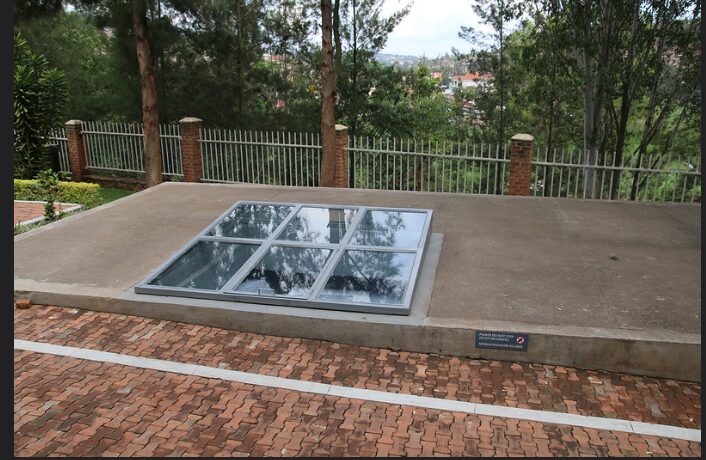
- Inema Arts Center: A vibrant hub showcasing the talents of local artists, Inema Arts Center is a fantastic place to immerse yourself in Rwandan creativity. You can meet the artists, learn about their techniques, and even purchase unique souvenirs
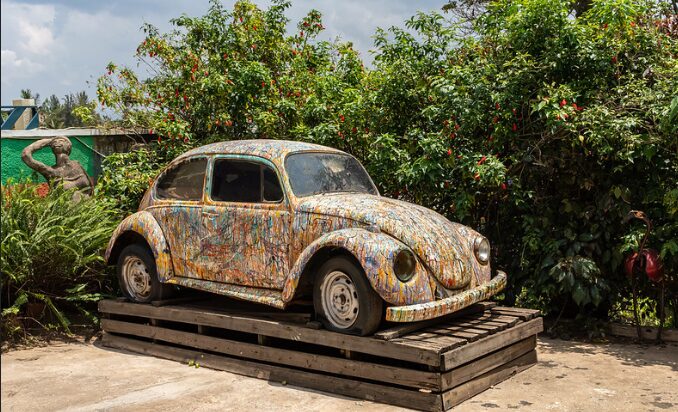
- Kimironko Market: Prepare to be overwhelmed (in a good way!) by the sheer variety of goods at Kimironko Market. From colorful fabrics and spices to fresh produce and local crafts, this bustling market offers a true taste of Rwandan life. Remember to haggle respectfully!
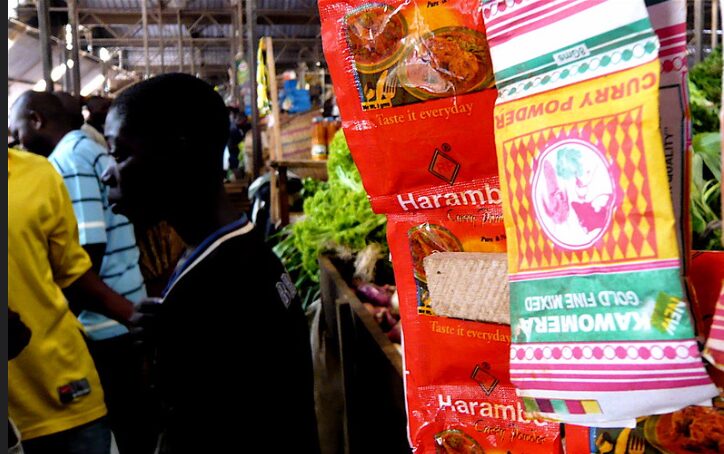
- Hotel Rwanda (Hôtel des Mille Collines): While slightly touristy, a visit to this iconic hotel offers a glimpse into a pivotal moment in Rwandan history.

Volcanoes National Park: Trekking with Giants
No trip to Rwanda is complete without a visit to Volcanoes National Park, home to the endangered mountain gorillas. Securing a permit is essential (book well in advance!), and the trek itself can be challenging, but the reward is immeasurable.
- Gorilla Trekking: Spending an hour observing these magnificent creatures in their natural habitat is an experience I’ll never forget. Watching them groom each other, play with their young, and simply exist is both humbling and awe-inspiring. Be prepared for some serious mud and uneven terrain! Your guides will be invaluable in helping you navigate the forest.
- Golden Monkey Trekking: If you have the time and energy, consider trekking to see the golden monkeys. These playful primates are equally captivating, and the hike is generally less strenuous than the gorilla trek.
- Dian Fossey Tomb: For those interested in the conservation efforts of Dian Fossey, a visit to her tomb is a worthwhile pilgrimage. The hike is challenging, but the opportunity to pay tribute to this pioneering primatologist is a deeply moving experience.
Akagera National Park: A Safari Surprise
Often overlooked in favor of gorilla trekking, Akagera National Park offers a completely different Rwandan experience: a classic African safari.
- Game Drives: Explore the diverse landscapes of Akagera on a guided game drive. You’ll have the chance to spot elephants, giraffes, zebras, lions, rhinos (reintroduced in recent years), and a wide variety of birdlife.
- Boat Trip on Lake Ihema: A relaxing boat trip on Lake Ihema offers stunning views of the surrounding landscape and the opportunity to spot hippos and crocodiles.
- Walking Safaris: For a more immersive experience, consider a guided walking safari. This allows you to get up close and personal with the smaller creatures of the park and learn about the local flora and fauna.
Beyond the Parks: Cultural Immersion
Rwanda is more than just gorillas and safaris. Take the time to explore the country’s rich cultural heritage.
- King’s Palace Museum (Nyanza): Step back in time at the King’s Palace Museum, a reconstructed traditional royal residence. Learn about Rwandan history and culture through fascinating exhibits and demonstrations.
- Ethnographic Museum (Butare): This museum offers a comprehensive overview of Rwandan culture, including traditional clothing, tools, and customs.
- Coffee Plantation Tour: Rwanda is renowned for its high-quality coffee. Take a tour of a coffee plantation to learn about the process from bean to cup and, of course, enjoy a delicious cup of Rwandan coffee.
Tips for Planning Your Trip:
- Visas: Check visa requirements well in advance. Many nationalities can obtain a visa on arrival.
- Currency: The Rwandan Franc (RWF) is the local currency. US dollars are widely accepted.
- Language: Kinyarwanda is the official language. English and French are also widely spoken.
- Accommodation: Options range from budget guesthouses to luxury hotels. Book in advance, especially during peak season.
- Transportation: Public transport is available but can be crowded. Hiring a private driver is a more comfortable and convenient option.
- Health: Consult your doctor about recommended vaccinations and malaria precautions.
- Respect: Dress modestly and be mindful of local customs.
Final Thoughts:
Rwanda is a country that will stay with you long after you’ve left. It’s a place of breathtaking beauty, profound history, and incredible resilience. It’s a country that’s not just rebuilding; it’s thriving. If you’re looking for an adventure that’s both enriching and unforgettable, I highly recommend adding Rwanda to your travel list. You won’t be disappointed.
Have you been to Rwanda? Share your experiences and tips in the comments below!