
Whispers in the Night: Exploring Hyenas in Uganda

Uganda, the “Pearl of Africa,” is renowned for its stunning landscapes, diverse wildlife, and vibrant culture. While lions, elephants, and gorillas often steal the spotlight, there’s another fascinating creature that plays a crucial role in the Ugandan ecosystem: the hyena.
In this blog post, we’ll delve into the world of hyenas in Uganda, exploring their different species, behaviors, their significance, and the challenges they face.
The Hyena Family in Uganda:
Uganda is home to two main types of hyenas:
- The Spotted Hyena ( Crocuta crocuta): This is the most common and well-known hyena species. Characterized by their distinctive spots and their iconic “laugh,” spotted hyenas are highly social animals, living in complex matriarchal clans. They are apex predators and skilled scavengers, playing a vital role in keeping the environment clean and healthy.

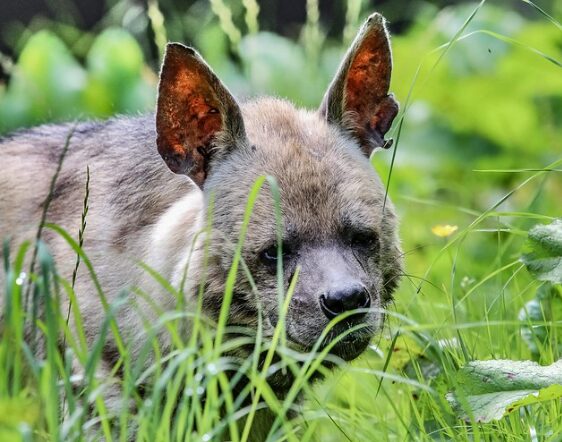
- The Striped Hyena (Hyaena hyaena): Less common than the spotted hyena, the striped hyena has a distinctive striped coat and is typically smaller in size. While they are also scavengers, striped hyenas have a more solitary nature compared to their spotted cousins. They are generally nocturnal, making them less frequently observed.
Where to Find Hyenas in Uganda:
Hyenas can be found in several of Uganda’s national parks and protected areas:
- Queen Elizabeth National Park: This park is a prime location for spotting spotted hyenas, particularly during night game drives. The park’s diverse habitat, including savannah, wetlands, and forests, provides ample opportunities for hyenas to thrive.
- Murchison Falls National Park: Similar to Queen Elizabeth, Murchison Falls offers excellent chances to see both spotted and, occasionally, striped hyenas. The open savannah plains are ideal hunting and scavenging grounds.
- Kidepo Valley National Park: Located in the remote northeastern corner of Uganda, Kidepo boasts a unique wilderness environment, which may provide a habitat for both spotted and striped hyenas.
Hyena Behavior: Beyond the “Laugh”:
Hyenas are often misunderstood creatures, and a deeper look reveals a world of complex social dynamics and fascinating behaviors:
- Hunting and Scavenging: Hyenas are both skilled hunters and opportunistic scavengers. They will hunt down prey, often in packs, and also play a crucial role in consuming carrion, preventing the spread of disease. Their strong jaws and digestive systems allow them to consume almost every part of an animal carcass.
- Social Structure: Spotted hyenas live in matriarchal clans, with females dominating the social hierarchy. These clans can comprise of dozens of individuals, with complex social bonds and communication systems.
- Vocalizations: Hyenas are known for their diverse vocalizations, including the iconic “laugh,” which is actually a sound of excitement, frustration, or fear. They also use growls, whoops, and other calls to communicate within their clans and mark their territory.
- Denning and Reproduction: Hyenas typically give birth to their pups in dens, often located underground or in secluded areas. Pups remain with their mothers for several months and learn crucial hunting and survival skills from the older members of the clan.
The Importance of Hyenas:
Hyenas play an indispensable role in maintaining the health and balance of the Ugandan ecosystem:
- Scavenging and Waste Management: As effective scavengers, hyenas help to remove carcasses, reducing the spread of diseases and minimizing the risk of environmental contamination.
- Predator-Prey Dynamics: As predators, hyenas help to regulate populations of other animals, contributing to the overall health and stability of the ecosystem.
- Ecological Indicators: The presence and health of hyena populations can serve as indicators of the overall health and integrity of the environment.
Challenges Facing Hyenas in Uganda:
Despite their importance, hyenas face several challenges:
- Human-Wildlife Conflict: As hyenas hunt livestock or come into conflict with humans, they are sometimes killed in retaliation, often poisoned or hunted.
- Habitat Loss and Degradation: Increasing human populations, agricultural expansion, and deforestation are reducing hyena habitats, threatening their populations and food sources.
- Poaching: While not a primary target, hyenas can sometimes fall victim to snares or traps set for other wildlife.
- Misconceptions and Negative Perceptions: Misunderstandings about hyenas often lead to fear and negative perceptions, contributing to persecution and conflict.
Conservation Efforts:
Various conservation efforts are in place to protect hyenas in Uganda:
- Community Conservation Programs: Working with local communities to reduce human-wildlife conflict, educating people about hyenas, and promoting sustainable land use practices.
- Anti-Poaching Measures: Increased patrols and law enforcement to combat poaching and protect hyenas within national parks and protected areas.
- Research and Monitoring: Conducting research on hyena populations, behavior, and threats to inform conservation strategies and monitor population trends.
- Education and Awareness: Raising awareness among the public about the importance of hyenas and promoting positive attitudes towards these animals.
Experiencing Hyenas in Uganda:
For those seeking to experience the magic of hyenas in Uganda, consider these tips:
- Go on a game drive: Book a guided game drive in Queen Elizabeth National Park or Murchison Falls National Park to increase your chances of seeing hyenas. Night game drives can be especially rewarding.
- Look for Tracks and Signs: Learn to identify hyena tracks, scat, and other signs of their presence.
- Listen for their calls: If you’re lucky, you might hear the distinctive “laugh” or other vocalizations of hyenas, especially at night.
- Respect their space: Always maintain a safe distance from hyenas and other wildlife, and follow the guidance of your tour guides.
- Support conservation efforts: Contribute to organizations working to protect hyenas and other wildlife in Uganda.
Conclusion:
Hyenas are an essential part of the Ugandan wilderness, playing a vital role in the ecosystem. By understanding their behavior, respecting their importance, and supporting conservation efforts, we can help ensure that these fascinating creatures continue to thrive in the “Pearl of Africa” for generations to come. So, the next time you hear the whispers of the night, remember the hyena, a symbol of resilience, adaptation, and the enduring power of the wild.