Don’t miss Uganda’s iconic feathered friends: A guide to the most remarkable birds for tourists.
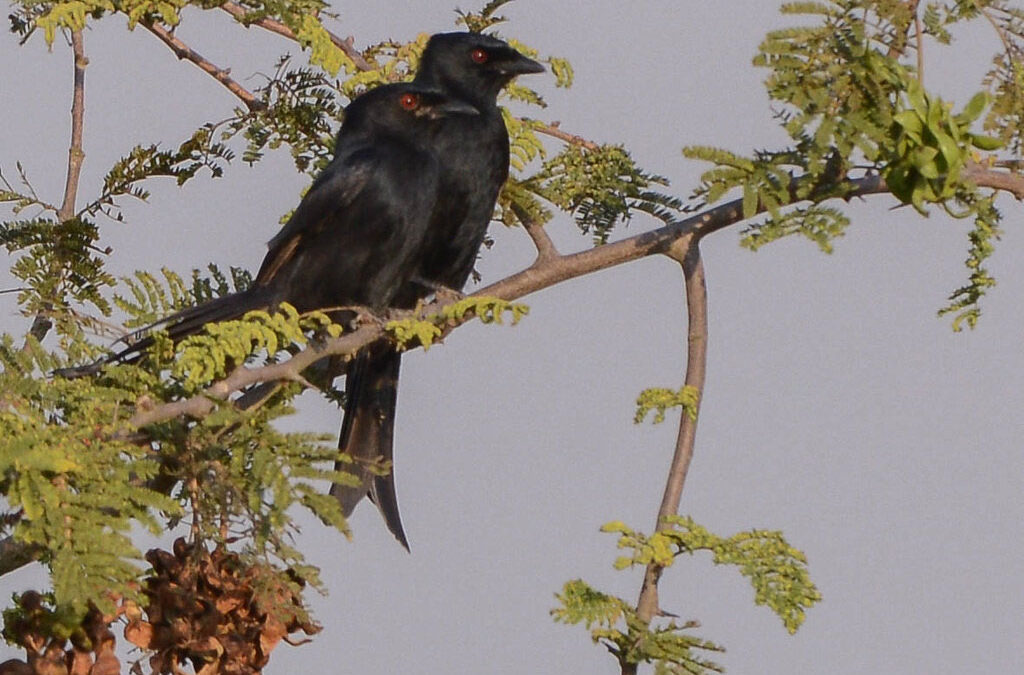
For bird enthusiasts and curious tourists alike, Uganda offers a truly spectacular bird-watching experience. With its incredible variety of species, Uganda is a paradise for bird watchers, both seasoned and new. However, the sheer diversity can be overwhelming, especially for first-time visitors. To ease the challenge, we’ve curated a list of 50 must-see birds, offering a glimpse of Uganda’s avian richness.
While compiling this guide, we’ve prioritized species that are both unique and commonly encountered. Birds restricted to specific areas like Semliki National Park, the Albertine Rift endemics, and the true weavers have been excluded to keep the list manageable. Even so, this selection provides a fascinating introduction to Uganda’s avian life. We have also referenced Philip Briggs and Andrew Roberts’ Bradt Travel Guides and the Stevenson and Fanshawe book, Birds of East Africa, for additional context.
Common Ostrich (Struthio camelus)
The world’s largest bird, the flightless ostrich, roams Uganda’s far northeastern savannas, notably in Kidepo Valley National Park. It can also be seen at the Entebbe Zoo.
Pelicans (Pelecanus spp.)
These large, charismatic waterbirds are often spotted on Uganda’s lakes and the Kazinga Channel in Queen Elizabeth National Park. Two pelican species grace Uganda’s waters.
African Darter (Anhinga rufa)
Known as the “snake-bird” due to its snake-like swimming posture, this species is common in Uganda’s freshwater habitats. You’ll often find them perched with wings spread open to dry.
Goliath Heron (Ardea goliath)
The aptly named Goliath Heron stands an impressive 1.5 meters tall, with striking purple-grey and orange markings. It’s commonly seen on boat safaris along the Victoria Nile in Murchison Falls National Park.
Shoebill (Balaeniceps rex)
One of Uganda’s most iconic birds, the shoebill is a large, grey swamp-dweller. This bizarre, prehistoric-looking bird is highly sought after by bird watchers and can be found in the Mabamba Swamps near Entebbe and along the Nile below Murchison Falls.
Flamingos (Phoenicopterus spp.)
Flamingos, with their stunning pink plumage, are a highlight for any bird watcher. In Uganda, they are most often seen in large groups at the Katwe and Flamingo crater lakes in Queen Elizabeth National Park.
Saddle-billed Stork (Ephippiorhynchus senegalensis)
At up to 1.4 meters tall, this large, striking stork is easily recognizable with its red, yellow, and black bill. It’s frequently seen in pairs during game drives in northern Uganda.
Marabou Stork (Leptoptilos crumeniferus)
The marabou stork is an unmistakable, 1.5-meter-tall scavenger often seen in rural and urban settings, particularly in Kampala and Entebbe. With its undertaker-like appearance and large neck air-sac, it’s a bird you won’t soon forget.
African Fish Eagle (Haliaeetus vocifer)
Known for its piercing call, the African fish eagle is a majestic resident of Uganda’s lakes and waterways. Its striking black, white, and chestnut plumage makes it easy to identify.
Grey Crowned Crane (Balearica regulorum)
Uganda’s national bird, the grey crowned crane, is distinguished by its elegant golden crown of feathers. Found in wetlands and moist grasslands, this bird is a true symbol of the country.
Secretary Bird (Sagittarius serpentarius)
This unique, snake-eating raptor with a stork-like build and quill-like head feathers can be found in northern Uganda. Its distinctive appearance and hunting style make it a fascinating species to observe.
African Grey Parrot (Psittacus erithacus)
Often recognized as a popular pet, the African grey parrot can also be spotted in Uganda’s forests. Its intelligence and loud, squawking call make it a standout among Uganda’s bird species.
Great Blue Turaco (Corythaeola cristata)
One of the most striking forest birds in Uganda, the great blue turaco is an incredible sight with its blue-green plumage and bold red-and-yellow bill. This bird is widespread in forested areas, including the Entebbe Botanical Gardens.
Ross’s Turaco (Musophaga rossae)
Another striking species, Ross’s turaco boasts deep purple plumage with a bright yellow facemask and red crest. Though widespread, it’s rarely abundant.
African Emerald Cuckoo (Chrysococcyx cupreus)
This brilliantly green-and-yellow cuckoo is often heard in Uganda’s forests long before it is seen. Its clear four-note call can be heard throughout the forest canopy, making it a delight for bird watchers with a keen ear.
Verreaux’s Eagle-Owl (Bubo lacteus)
The largest of Uganda’s 13 owl species, the Verreaux’s eagle-owl is a nocturnal predator, often spotted during night drives or roosting in large trees by day.
Malachite Kingfisher (Alcedo cristata)
A tiny yet dazzling bird, the malachite kingfisher is known for its vivid blue and orange plumage. You’ll find it perched still along the edges of rivers and lakes.
Black-and-White Casqued Hornbill (Bycanistes brevis)
This massive, forest-dwelling bird is easy to spot thanks to its heavy ivory-colored bill and noisy wing beats. Its raucous calls are often the first sign of its presence.
Lilac-breasted Roller (Coracias caudatus)
This brightly colored bird, with its lilac breast and vibrant blue wings, is a common sight in Uganda’s savanna. It’s a favorite among photographers and bird enthusiasts alike.
Piapiac (Ptilostomus afer)
Often seen near livestock, the glossy black piapiac is a smaller member of the crow family. Common in Jinja and Murchison Falls, this bird is frequently associated with riverine palms.
African Paradise Flycatcher (Terpsiphone viridis)
With its elongated tail and striking rufous or black-and-white plumage, the African paradise flycatcher is a captivating sight in Uganda’s forests and woodlands.
Scarlet-chested Sunbird (Chalcomitra senegalensis)
Sunbirds are among the most beautiful birds in Uganda, and the scarlet-chested sunbird is no exception. Its vibrant red chest and jet-black plumage make it a favorite among bird watchers.
Black-headed Gonolek (Laniarius erythrogaster)
This brilliant black-and-red bird is common in Uganda’s savanna habitats, particularly in riverine thickets. Its presence is often revealed by its loud duetting calls.
Best Time for Bird-Watching in Uganda
Uganda offers excellent bird-watching opportunities year-round, with resident species providing plenty of interest. However, the best time for birding is from late May through September, when there’s less rain and more abundant food, making birds more visible. The main nesting season in Bwindi Impenetrable National Park and Mgahinga is in May and June, though the rains from mid-April to mid-May can still be heavy.
December and January are also good months for bird-watching, with drier conditions in the south and less intense heat in the north. February and early March, though hot in northern Uganda, offer drier conditions in areas like Toro-Semliki, providing unique birding experiences.
With its stunning diversity of bird species, Uganda is a must-visit destination for bird lovers. From majestic raptors to delicate sunbirds, Uganda’s avian life promises an unforgettable experience for any nature enthusiast.